




Protocols to Prevent SSIs and SSCs: Initiatives to Improve Outcomes
Protocols to Prevent SSIs and SSCs: Initiatives to Improve Outcomes
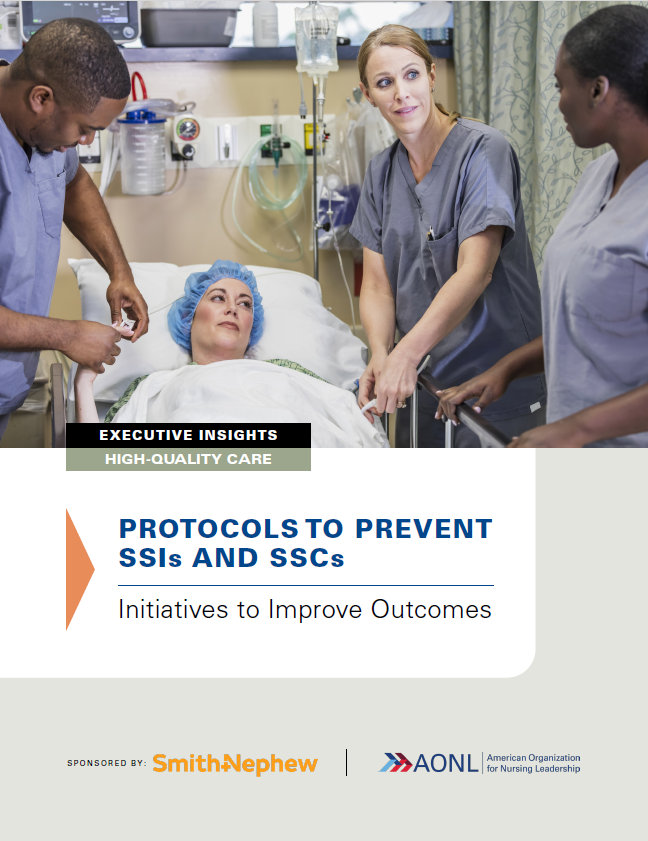
[Sponsored] Hospital-acquired conditions, such as surgical site infections (SSIs) and complications (SSCs), are a major burden to the U.S. health care system. With 60% of SSIs considered to be preventable, clinical protocols can make a critical difference in avoiding delayed discharges, costly readmissions, and delayed healing post-surgery. In this executive dialogue, nurse executives discuss how organizations can reduce the incidence of SSIs and SSCs through greater transparency, collaboration and enhanced clinician and patient education.
This executive dialogue will highlight key findings on:
- Continued fatigue from the COVID-19 pandemic presents an ongoing challenge for hospitals and health systems. Emphasis must be placed on adherence to handwashing and basic infection prevention techniques to prevent and manage SSIs and SSCs.
- Identifying risk factors for SSIs enables targeted education to prevent their occurrence. One solution is to implement a pre-surgical preparation clinic to work closely with high-risk patients in the weeks leading up to their procedure.
- Data is a strong influencer and can significantly impact clinician behavior. Organizations should consider sharing individual performance data in advance of team meetings to facilitate a productive discussion.
- Additional guidelines are needed to identify when to delay surgery for patients at high-risk for infections.
- Gaps in patient education can result in post-discharge infections leading to readmissions. Organizations should reassess their patient education and develop easy to understand guidelines for wound care and conduct patient follow-up calls post-discharge.
Sponsored by


Related Resources
Other Resources
CLPs have been a feature of the nursing workforce within healthcare organizations for more than fifty years. Introduced in the 1970s and given a…
Sponsored Content
Nurse leaders today face competing demands in quality improvement: mounting pressure to meet evolving regulatory reporting requirements, growing…
Sponsored Content
Nurse leaders are working closely with finance teams while pushing for staffing decisions that better reflect patient needs and workforce realities.
Sponsored Content
Health care leaders share practical steps to improve visibility, standardization and accountability for peripheral IVs, which are one of the most…
Sponsored White Papers
Last-minute call-outs are a signal of a system under strain. Chromie Health examines the feedback loop driving workforce instability and what faster…
Other Resources
AACN has partnered with the American Organization for Nursing Leadership (AONL) to announce the release of a new playbook to guide academic and…